The collective agreements negotiated and signed by the General Workers’ Union (GWU) establish wages according to agreed job grades, ensuring that there is no discrimination between male and female workers or between Maltese and foreign employees.
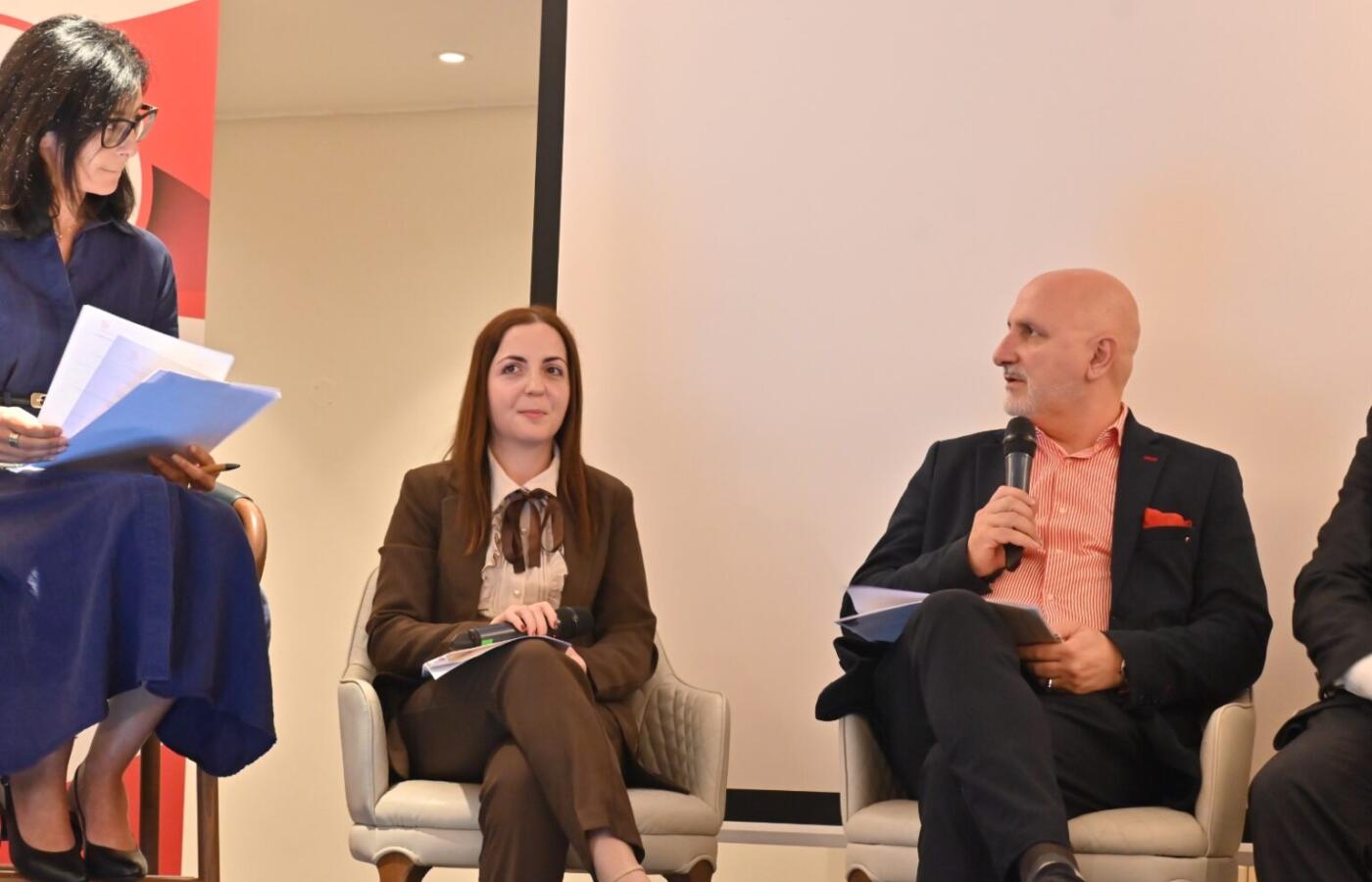
This was stated by GWU Secretary General Kevin Camilleri, who participated in a panel discussion on Thursday during a conference organised by the National Commission for the Promotion of Equality (NCPE). During his intervention, Camilleri outlined the GWU’s ongoing efforts to uphold the principle of equal pay for work of equal value.
The conference was organised by the NCPE to commemorate European Equal Pay Day, particularly in light of recent developments concerning the EU Pay Transparency Directive, which was transposed into Maltese legislation through Legal Notice 173 of 2026.
During his intervention, Camilleri emphasised the importance of conferences and seminars of this nature in raising awareness about equal pay for work of equal value between women and men. He also highlighted the significant role that trade unions play in promoting and safeguarding this fundamental principle.
The GWU Secretary General concluded by stressing the importance of ensuring that information about workers’ rights is accessible to everyone. He noted that awareness, together with the commitment of all stakeholders and the effective enforcement of legislation, is essential to achieving genuine equality in the workplace.
Meanwhile, in her opening address, the Minister for Equality and Civil Rights, Hon. Rosianne Cutajar, emphasised that European Equal Pay Day serves as a reminder of the importance of the principle of “equal pay for equal work or work of equal value”, which remains a key priority.
Although Malta’s gender pay gap stands at 4.9%, considerably lower than the EU average of 11.1%, disparities still persist in certain sectors.
Minister Cutajar highlighted the importance of greater pay transparency as a key instrument in addressing these inequalities. She referred to the early transposition of the EU Pay Transparency Directive into Maltese legislation in June of this year.
The Minister also referred to initiatives aimed at promoting women’s economic independence, which have contributed to increased female participation in the labour market.
For her part, NCPE Commissioner Renee Laiviera addressed the various factors contributing to the gender pay gap. These include gender segregation in education and the labour market, inequalities in the distribution of caregiving responsibilities, the underrepresentation of women in leadership positions, and pay discrimination.
Laiviera also outlined the NCPE’s ongoing work to promote equal pay between women and men. She emphasised that the transposition of the EU Pay Transparency Directive represents an important step towards greater pay transparency and gender equality.
Under the new legislative framework, the NCPE has been entrusted with specific responsibilities, including assisting employees in obtaining information about pay.
The GWU remains committed to promoting fair and transparent pay structures through collective bargaining, ensuring equal treatment, equal opportunities and dignity for all workers, regardless of gender or nationality.