GWU Was Right – Police close investigation into Section Secretary

6 Jul 2026 - Home | Maritime and Aviation | News | Politics | Sections | The Union

GWU Was Right – Police close investigation into Section Secretary

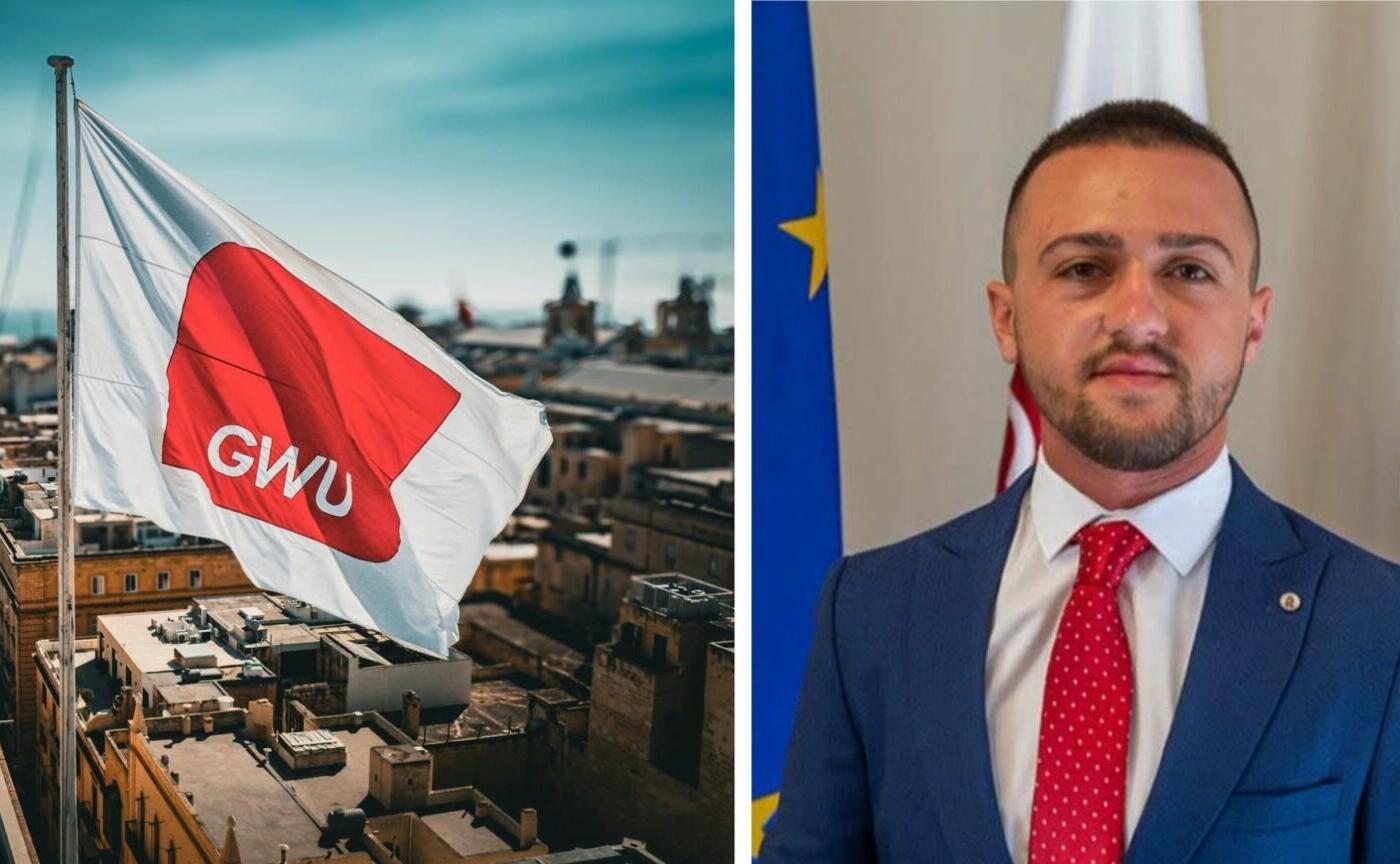
The Malta Police Force has officially closed its investigation into the General Workers’ Union (GWU) Secretary of the Transport, Maritime and Aviation Section and has confirmed that no further action will be taken against him.

The case arose following a communication sent by the Section Secretary to GWU members employed by Resource Support and Services Ltd (RSSL) on 29 May 2026, the day of the electoral silence period. At the time, negotiations on the collective agreement between the GWU and RSSL management were still ongoing and the agreement had not yet been signed.

Several members contacted the GWU directly after receiving correspondence from the company’s management regarding the status of those negotiations. It was in this context that the Section Secretary updated them on the current position. The communication was strictly limited to employment-related matters and contained no political content whatsoever.

Following a criminal report filed by the Electoral Commission, the Section Secretary was questioned under caution by the Criminal Investigation Department (CID) of the Malta Police Force. The GWU immediately issued a public statement in his defence and formally notified the European Trade Union Confederation (ETUC) of the incident.

The Police have now closed the case file. The GWU welcomes this outcome with great satisfaction. It confirms exactly what the Union maintained from the very beginning: that a trade union secretary who updates members on the status of their collective agreement commits no criminal offence. This is a function protected by law.

The Police had a duty to investigate once they received a formal report, and the GWU has never suggested otherwise. The investigation has now run its course, and the Section Secretary is no longer under the threat of criminal proceedings.

However, the fundamental principle at the heart of this case remains. From the moment the complaint was filed until the investigation was closed, the Section Secretary had to carry out his duties under the threat of criminal prosecution simply for performing his legitimate role as a trade union official. Every trade union official in Malta faced the same uncertainty: that communicating with members during an electoral period, even on matters relating exclusively to employment and collective bargaining, could expose them to criminal proceedings. This is an uncertainty that cannot be allowed to persist.

The GWU Secretary General, Kevin Camilleri, stated:

“Our Section Secretary has been completely cleared of any suspicion, and we are naturally very pleased with this outcome. However, he should never have been placed under investigation in the first place. A union secretary who informs members of the facts concerning their collective agreement is committing no offence. The Police have now confirmed this themselves. As the GWU, we will continue to stand firmly behind our officials whenever they act within the scope of their mandate, and we will continue to defend trade union rights at every possible level and forum.”

The right of trade unions to communicate with their members on collective bargaining matters is protected under ILO Convention No. 87 on Freedom of Association and Protection of the Right to Organise, ILO Convention No. 98 on the Right to Organise and Collective Bargaining, and ILO Convention No. 135 concerning Workers’ Representatives, all of which have been ratified by Malta. The ILO’s supervisory bodies have consistently affirmed that trade unions must be free to carry out their legitimate representative functions without interference from public authorities.

The GWU has already informed the European Trade Union Confederation (ETUC) of this case. It will now pursue the matter through the appropriate international forums, including the ILO Committee on Freedom of Association, to ensure that a report of this nature against a trade union official is formally recorded in the international register and historical record.

At the same time, the GWU calls on the competent authorities to clarify, whether through legislative or regulatory action, that the provisions governing the electoral silence period should not apply to internal trade union communications concerning collective bargaining and employment-related matters. Trade union officials must be able to serve their members without any uncertainty as to whether carrying out their duties during an electoral period could expose them to criminal proceedings.

The GWU stands united behind its Section Secretary. It will continue to keep its members informed about all matters affecting their employment and will continue to fulfil its role as a trade union without fear.

« Back