GWU participates in European Parliament workshop on psychosocial risks in the workplace

14 Oct 2026 - Home | News | Professionals, Finance and Services | Sections

GWU participates in European Parliament workshop on psychosocial risks in the workplace

The Union welcomes the European Parliament’s support for stronger legislation to protect workers from stress, burnout and psychosocial risks at work

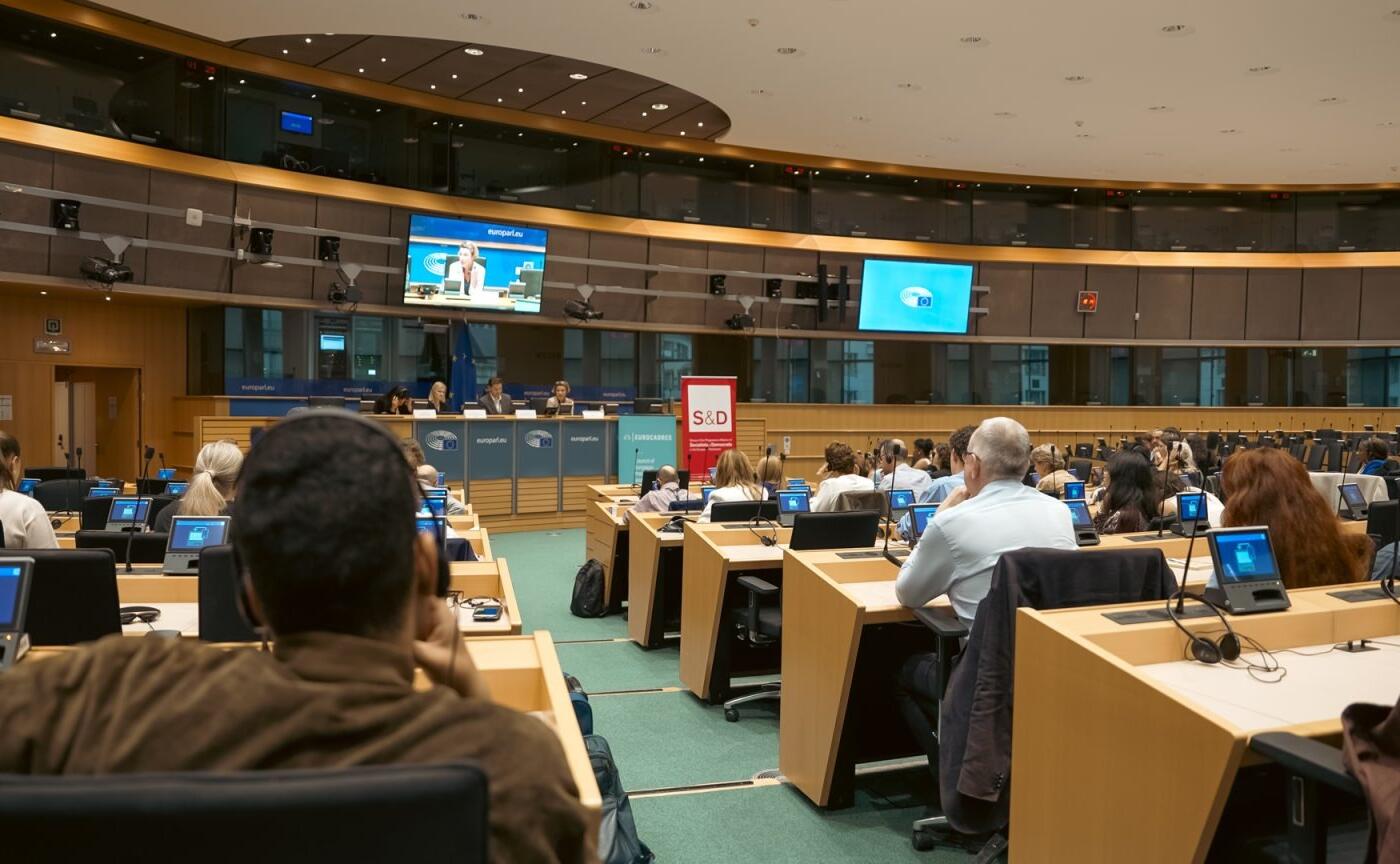
The Professionals, Finance and Services Section of the General Workers’ Union (GWU), represented by Section Secretary Riccarda Darmanin, recently participated in a workshop organised by Eurocadres at the European Parliament, focusing on psychosocial risks, stress and mental health in the workplace.

During the visit, trade union representatives had the opportunity to meet with Member of the European Parliament Estelle Ceulemans, who was responsible for preparing the European Parliament’s report on psychosocial risks, stress and mental health at work.

Discussions focused on the growing challenges faced by workers across Europe, including excessive workloads, burnout, harassment, job insecurity and the impact of organisational and technological changes on workers’ mental health and wellbeing.

The report presented by MEP Ceulemans calls for stronger European measures recognising psychosocial risks as an essential component of occupational health and safety. It emphasises that employers must take greater responsibility for preventing these risks rather than acting only after workers have already been adversely affected.

Among the key proposals is the introduction of binding European legislation requiring employers to identify, assess and manage psychosocial risks. This includes regular risk assessments, prevention plans, stronger consultation with workers and the integration of mental health considerations into workplace health and safety policies.

The report places particular emphasis on preventing work-related stress and burnout by addressing their underlying causes, including excessive workloads, staff shortages, inadequate work organisation, lack of autonomy and unrealistic performance expectations.

It also addresses emerging challenges associated with digitalisation, artificial intelligence, remote working and increased employee monitoring, while highlighting the importance of workers’ right to disconnect outside their normal working hours.

For the GWU, these developments further reinforce the importance of trade unions and collective bargaining in creating safer and healthier working environments. Workers and their representatives should play an active role in identifying risks, developing preventive measures and participating in decisions affecting their wellbeing.

The Professionals, Finance and Services Section welcomes initiatives aimed at strengthening the protection of workers’ mental health, particularly as these risks become increasingly relevant across the financial services, regulatory, professional and public sectors.

The GWU believes that protecting mental health in the workplace should be a shared responsibility between employers and workers’ representatives. A healthy working environment should not only contribute to improved productivity but also ensure respect, dignity and employee wellbeing.

The workshop also provided an opportunity for European trade union representatives to exchange experiences and discuss how stronger legislation, effective workplace policies and collective agreements can contribute to preventing psychosocial risks.

An important development took place on 6 October, when the European Parliament voted in favour of the report presented by MEP Estelle Ceulemans, strengthening the call by European trade unions for binding EU-level legislation on psychosocial risks in the workplace.

The GWU welcomes this development as an important step towards greater recognition of mental health as a fundamental component of occupational health and safety.

The Union reiterates its commitment to ensuring that workers are protected not only from physical hazards but also from psychological risks, so that every employee can carry out their duties in a safe, healthy and dignified working environment.

« Back